
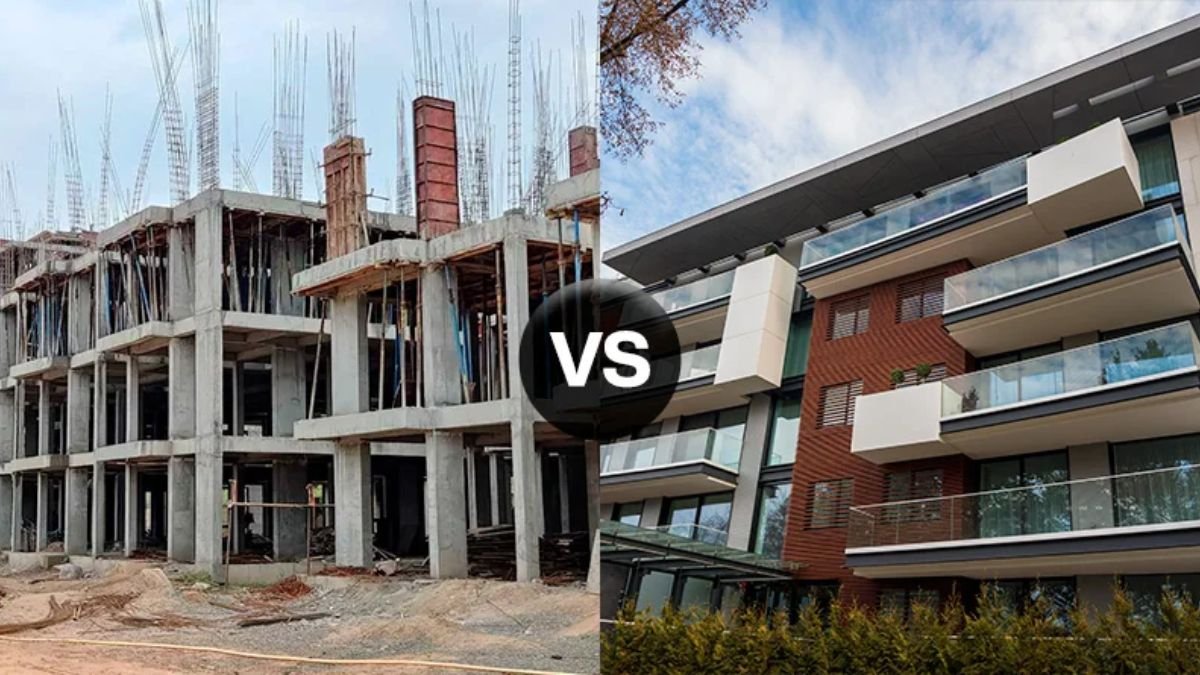
When it comes to buying a home, one of the biggest decisions most buyers face is choosing between a ready-to-move-in property and an under-construction property. Both options have their own advantages, drawbacks, financial implications, and lifestyle impacts. The right choice depends on your budget, timeline, and personal priorities.
In today’s real estate market, understanding the difference between these two property types is crucial for making an informed investment. Let’s explore each in detail and analyze their pros, cons, and suitability for different types of homebuyers.
Understanding the Concept Ready-to-Move Property
A ready-to-move (RTM) property refers to a home or apartment that has been fully completed and is ready for immediate possession. This means construction work, legal clearances, and occupancy certificates have already been issued by the developer or authorities.
When you buy such a property, you can inspect it physically, verify the amenities, and move in as soon as the paperwork and payment are completed.
Example: If you visit a housing project and see a finished apartment where people are already living or the units are available for immediate handover, that’s a ready-to-move property.
Under-Construction Property
An under-construction property refers to a project that is still in the building phase or has not yet received the occupancy certificate. Buyers typically invest in such properties during the early or mid-stage of construction and wait until completion to take possession.
Such projects often attract investors because of their lower initial cost and the potential for property value appreciation over time.
Example: A developer launching Phase II of a housing project and selling apartments that will be completed in 2–3 years is offering under-construction properties.
Cost Comparison Under-Construction Property
One of the most significant factors influencing the decision between ready-to-move and under-construction properties is price.
Under-construction properties generally come at a lower price compared to ready-to-move homes. Since buyers are paying before completion, developers often offer early-bird discounts, payment plans, and pre-launch offers.
For instance, the price difference between an under-construction and a ready-to-move property in the same area can range from 10% to 25%, depending on the project and location.
However, the buyer must consider the risk of project delays or potential changes in the real estate market before completion.
Ready-to-Move Property
On the other hand, ready-to-move properties come at a premium cost because they eliminate uncertainty. Buyers pay for assurance — the property exists, the construction quality is visible, and possession is immediate.
This price premium usually justifies the convenience and peace of mind associated with immediate occupancy.
Risk Factors Under-Construction Properties
The biggest risk with under-construction properties is project delay. Many projects face hurdles such as regulatory approvals, financial challenges for developers, or logistical issues, causing significant delays.
In some cases, projects are even abandoned or stalled, leaving buyers stuck with both EMIs and rent payments while they wait for completion.
Moreover, there can be discrepancies between what’s promised in the brochure and the final delivered property.
Ready-to-Move Properties
Ready-to-move properties are far safer in this regard since buyers can physically inspect the flat or house before paying. You know exactly what you’re getting — the layout, amenities, neighborhood, and infrastructure.
There is no risk of delay and no ambiguity about the quality of construction.
Financial Burden and Loan Repayments Under-Construction Properties
When you buy an under-construction property through a home loan, you may have to pay both rent and EMIs simultaneously until the project is completed. This can be financially stressful if possession is delayed.
However, the initial payment structure is flexible — you don’t need to pay the full amount upfront. Payments are typically made in installments linked to construction progress.
Ready-to-Move Properties
For ready-to-move homes, once you pay the amount and move in, you only need to pay EMIs without worrying about rent. The total cost is upfront, but the financial load is straightforward.
Many people prefer this because it provides immediate value for money — you pay and start living right away.
Tax Benefits Under-Construction Properties
Tax benefits under Section 24(b) of the Income Tax Act (on home loan interest) are applicable only after possession. You cannot claim deductions for the interest paid during the construction period immediately.
That means, if your project is delayed, you lose valuable tax-saving opportunities for that period.
Ready-to-Move Properties
For ready-to-move-in homes, tax benefits start immediately after purchase. You can claim both principal (Section 80C) and interest (Section 24) deductions from the first year itself.
Quality and Transparency Ready-to-Move Properties
The best part about ready-to-move properties is transparency. You can check:
- The actual construction quality
- Ventilation, lighting, and layout
- Available amenities
- Neighborhood conditions
- Legal documentation and occupancy certificate
- There’s little room for surprises after purchase.
Under-Construction Properties
For under-construction homes, buyers rely on brochures, sample flats, and promises made by developers. Unless you are dealing with a reputed builder, there is always a risk of mismatch between expectations and reality.
Thus, due diligence, background checks, and project approvals are essential before investing.
Customization Options Under-Construction Properties
One of the key advantages of buying during construction is the freedom to customize. Buyers can request changes in layout, interiors, or fittings before completion.
For instance, you can choose floor tiles, wall colors, or bathroom fittings as per your taste.
Ready-to-Move Properties
Customization is limited in ready-to-move properties since the construction is already done. You may still redesign interiors or renovate, but that involves additional cost and effort.
Investment Perspective Under-Construction Property
From an investment point of view, under-construction properties can yield higher returns if purchased early. As the project nears completion, the property’s market value typically appreciates, offering a good resale margin.
However, this potential return comes with market and completion risks.
Ready-to-Move Property
Ready-to-move properties are better for rental income and immediate occupancy. Since possession is instant, you can start earning rent from day one.
For investors looking for long-term stability and steady cash flow, ready homes can be ideal.
Legal Aspects and RERA Protection
After the introduction of the Real Estate (Regulation and Development) Act (RERA), the real estate sector has become more transparent.
Under-Construction Projects
Under RERA, all developers must register their projects, disclose timelines, and update progress regularly. This reduces the risk of fraud and ensures accountability.
Still, buyers should verify RERA registration numbers, builder credentials, and approval documents before investing.
Ready-to-Move Homes
These properties already have completion and occupancy certificates, making them legally safer. Buyers only need to verify ownership documents and ensure there are no pending dues or litigations.
Which One Should You Choose?
The choice between ready-to-move and under-construction properties ultimately depends on your priorities, financial situation, and risk tolerance.
Choose Ready-to-Move Property If:
- You want to move in immediately.
- You prefer zero risk and full transparency.
- You are buying for personal use.
- You can afford a slightly higher price.
- Choose Under-Construction Property If:
- You are investing for the future.
- You have a flexible timeline.
- You are looking for a lower entry price.
- You trust the developer’s track record.
Conclusion:
Both property types have distinct merits. A ready-to-move home offers peace of mind, instant possession, and lower risk — ideal for end-users. Meanwhile, an under-construction home provides affordability and potential for appreciation, better suited for long-term investors.
The key is to evaluate your goals carefully, research the developer, check RERA compliance, and analyze your finances before making a commitment.
In the ever-evolving real estate market, a well-informed decision can make all the difference between a wise investment and an expensive mistake.

