
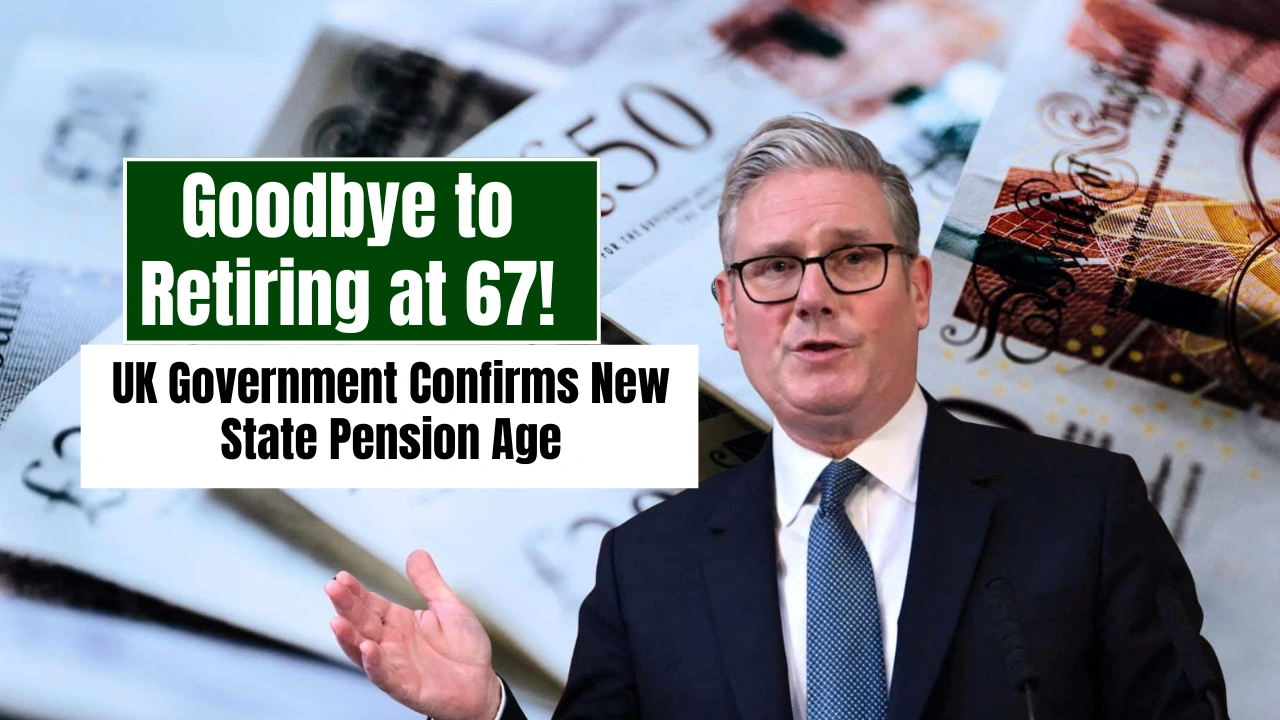
The new State Pension age is making headlines across the UK, and for good reason. For decades, retirement at 67 felt like a certainty. It was the age many people counted on, the point where they could finally rest, enjoy their savings, and collect their State Pension. But now, that number is no longer set in stone.
The UK Government has officially confirmed that the new State Pension age will rise beyond 67. This shift is not just a small policy update. It is a significant change that affects how millions plan their future. In this blog, we will dive into what this means for you, who it impacts the most, and how to start adjusting your plans now to stay ahead.
New State Pension Age: What You Should Know Right Now
The idea of retiring at 67 may no longer be a safe assumption. The UK Government has made it clear that the new State Pension age will gradually increase to 68. This is part of a broader review aimed at keeping the system sustainable as people live longer and public finances face greater pressure. If you are in your 30s, 40s, or early 50s, this shift directly affects your future retirement plans. The reality is that you might need to work a year or more longer than expected to access your State Pension.
This policy change is not happening overnight, but it is official. If you are planning your retirement around age 67, now is the time to re-evaluate. You may need to consider private pensions, workplace schemes, or savings to fill any financial gap caused by the delay. The earlier you start adapting your financial strategy, the better prepared you will be.
Overview Table: Key Points on the New State Pension Age
| Topic | Details |
| Confirmed Pension Age | Will rise from 67 to 68 |
| Government Reason | People living longer and public finance pressure |
| Implementation Timeline | Gradual change, not immediate |
| Affected Age Groups | Born after mid-1970s |
| Current Legal Retirement Age | No official legal retirement age in the UK |
| Early Retirement Impact | May need to rely on private savings or pensions |
| Private Pension Advice | Boost contributions, plan ahead |
| Manual Workers Concern | Health and job demands may make late retirement difficult |
| Risk of Future Increases | Further age rises under regular government reviews |
| Recommended Action | Check pension forecast and review National Insurance record |
What the Government Has Actually Confirmed
The Government has officially confirmed plans to increase the State Pension age from 67 to 68. This change aligns with existing legislation and previous policy reviews. It is not a surprise move but a continuation of long-term planning around life expectancy and economic sustainability. The new signal from the government is stronger than ever. Retiring at 67 is no longer a given for younger generations.
The aim behind this move is to ensure that the pension system remains affordable. With people now living well into their 80s and 90s, the number of years the government pays out State Pension has grown. If the age stayed at 67, the financial pressure on the system would be too high. This policy is an attempt to balance fairness with financial responsibility.
Who Will Be Affected by the New State Pension Age
This change will not affect everyone equally. People already close to pension age or receiving it will not see any changes. However, those born after the mid-1970s will almost certainly have to wait until age 68 to claim their State Pension. That means people in their 30s, 40s, and early 50s need to start thinking differently about retirement planning.
If you were planning to retire at 67, you may now face an income gap unless you have other sources of retirement funds. Private pensions, personal savings, and investment income will become even more important. It is essential to prepare for the reality that you may need to support yourself without government pension help for an extra year or more.
Why the State Pension Age Keeps Rising
The biggest reason behind the rising new State Pension age is longer life expectancy. When the system was first introduced, most people did not live much beyond retirement. Now, many retirees live 20 to 30 years after leaving the workforce. While this is a positive development, it creates massive long-term costs for the State Pension system.
To manage these costs, the government regularly reviews whether the State Pension age should change. Each review looks at trends in health, longevity, and economic forecasts. Without raising the pension age, the cost burden would fall on younger taxpayers and future generations. The government argues this would not be fair or sustainable in the long term.
The Difference Between State Pension Age and Retirement
Many people mistakenly believe that the State Pension age is the same as the age they are allowed to retire. That is not the case. In the UK, there is no official retirement age. You can choose to stop working whenever you want. The new State Pension age only determines when you can start receiving government pension payments.
This is an important distinction. If you decide to retire at 65 or 67, but the pension age is 68, you will need to fund the gap using your own resources. That is why planning ahead, saving early, and regularly reviewing your pension strategy are all vital steps.
How This Affects Your Financial Planning
This policy shift makes early financial planning more important than ever. Relying solely on State Pension to fund your retirement is becoming increasingly risky. Many financial advisers now encourage people to:
- Join and contribute regularly to a workplace pension
- Open a private pension if one is not provided by your employer
- Review your retirement age plans every few years
- Estimate your living costs during retirement and save accordingly
A delay of even one year in receiving State Pension can have a significant impact on your budget. Preparing for that now can help you avoid stress later.
What This Means for People in Manual or High-Stress Jobs
One of the most debated parts of raising the new State Pension age is how it affects workers in physical or high-pressure roles. These individuals may not be able to keep working into their late 60s due to health issues or physical strain.
Many believe a more flexible system is needed—one that takes into account different working conditions, life expectancy, and physical ability. For now, the system remains the same for everyone, but calls for change are growing louder as awareness of these challenges increases.
Is the State Pension Age Likely to Rise Again?
While the current plan is to raise the new State Pension age to 68, future increases are still possible. Government reviews take place every few years, and each review examines data on public health, national finances, and demographic shifts.
The uncertain future makes it wise to be flexible in your retirement planning. If the age goes up again in the future, those who are not prepared may face financial challenges. Staying informed and making adjustments along the way is the best strategy.
What You Should Do Next
If you are unsure how these changes affect you, take the time to check your State Pension forecast. This will show you when you can expect to receive payments and how much you will get. You should also:
- Review your National Insurance record to make sure there are no gaps
- Increase pension contributions where possible
- Speak to a financial advisor to discuss personal retirement goals
- Set realistic timelines for when you want to stop working
Being proactive now will give you more freedom later.
FAQs
1. What is the new State Pension age in the UK?
It will rise from 67 to 68 for people born after the mid-1970s.
2. When will the change to 68 be implemented?
It will happen gradually over the next several years, with official reviews guiding the pace.
3. Can I still retire at 67?
Yes, but you may need to cover your living costs until you reach the new State Pension age.
4. Will this change affect everyone?
No. People who are already near pension age are not expected to be impacted.
5. How can I prepare for this change?
Start saving early, check your pension forecast, and make a clear retirement plan that includes private pensions or other income sources.

