
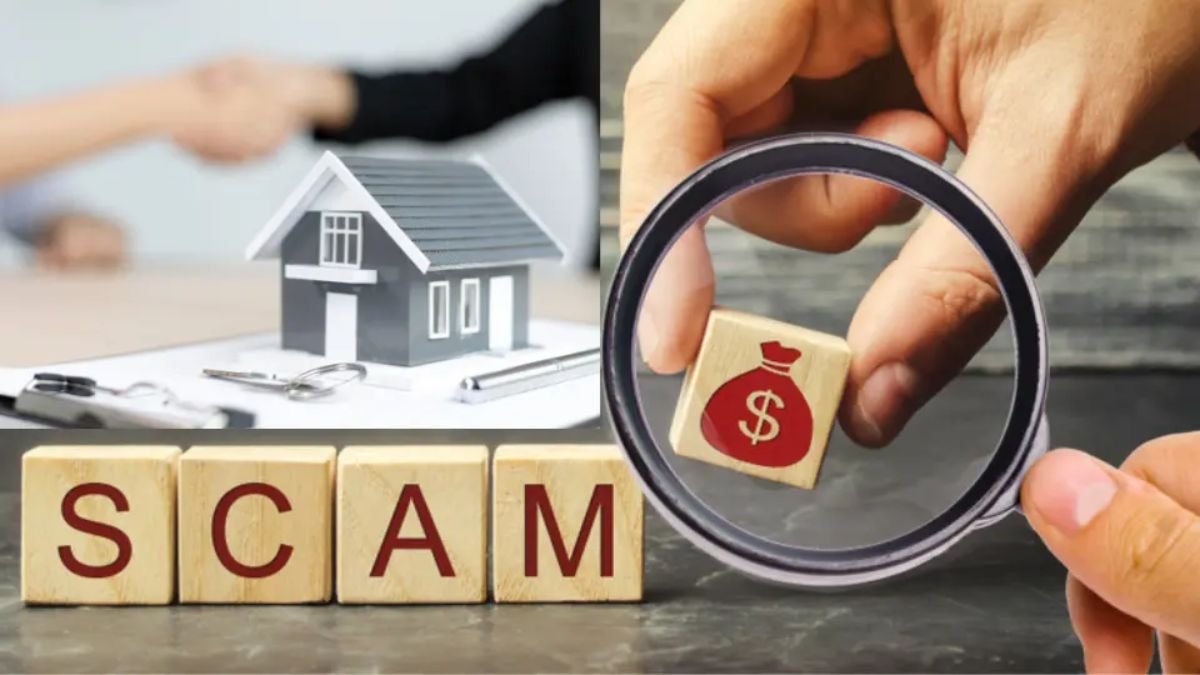
Investing in property is one of the most significant financial decisions most people make in their lifetime. Whether it’s buying your first home, investing in a commercial space, or purchasing land, the stakes are high. Unfortunately, the real estate market is also a hotspot for scams, frauds, and deceptive practices that can lead to substantial financial losses.
Understanding the common property scams and knowing how to protect yourself is crucial before making any property purchase. In this guide, we’ll explore the most frequent scams in real estate, how they work, and actionable strategies to avoid them.
Fake or Forged Property Documents
How the Scam Works
One of the most common property scams involves fake or forged documents. Scammers may produce counterfeit sale deeds, title deeds, or registration papers to make it appear as though they legally own a property. Unsuspecting buyers may hand over money only to later discover that the documents are fraudulent and the property doesn’t belong to the seller.
How to Avoid It
- Always verify the property title and ownership records at the local registration office or land registry
- Use online portals provided by government authorities, where available, to check land and property records.
- Engage a trusted lawyer or notary to review all documents before making a payment
Fraudulent Real Estate Agents
How the Scam Works
Some real estate agents operate without proper registration or licenses. They may promise high returns, show fake properties, or pressure buyers into paying upfront fees for properties that don’t exist. In some cases, agents collaborate with developers running illegal projects.
How to Avoid It
- Work only with registered and licensed real estate agents.
- Verify the agent’s credentials through real estate regulatory authorities (e.g., RERA in India or state-level boards elsewhere).
- Check online reviews, testimonials, and feedback from previous clients
Overpricing and False Deals
How the Scam Works
Buyers can fall victim to overpricing scams, where properties are sold for much more than their market value. Sellers or agents may also present fake deals or limited-time offers to create urgency, pressuring buyers to act quickly.
How to Avoid It
- Research the property’s market value by comparing similar properties in the area.
- Get multiple quotes from different sources before making a decision
- Avoid rushing into deals under pressure; legitimate sellers will allow reasonable due diligence
Land Encroachment and Duplicate Plots
How the Scam Works
Scammers sometimes sell land that is encroached upon or doesn’t legally belong to them. In other cases, the same plot may be sold to multiple buyers using duplicate documents. Buyers later discover disputes over ownership, often leading to lengthy legal battles
How to Avoid It
- Physically inspect the land and its boundaries.
- Obtain and verify Encumbrance Certificates (EC) that confirm the property is free of legal disputes or loans.
- Check the official land registry or municipal records to verify ownership history
Fraudulent Real Estate Projects
How the Scam Works
Some developers launch projects without proper licenses or regulatory approvals, often advertising attractive returns or luxurious amenities. Buyers invest money upfront, only to find that the project is delayed indefinitely or never begins.
How to Avoid It
- Verify that the project is registered with relevant regulatory authorities such as RERA.
- Confirm that the developer has obtained all required approvals and permits
- Make payments in installments rather than a lump sum to minimize financial risk
Fake Lawyers and Notaries
How the Scam Works
In some cases, scammers pose as lawyers or notaries to validate fraudulent property deals. Buyers rely on these professionals to review documents, unaware that they are working with unverified or fake practitioners.
How to Avoid It
- Always hire reputable and registered legal professionals.
- Cross-check their credentials with official bar councils or legal associations.
- Avoid making payments or signing documents without confirming the lawyer’s authenticity.
Phantom Tenants and Lease Scams
How the Scam Works
Some scammers create fake tenancy agreements or claim that a property already has tenants to make it appear more lucrative. Buyers are pressured to pay quickly, only to later find out that the rental income or occupancy does not exist.
How to Avoid It
- Verify tenancy agreements with current tenants and property owners
- Visit the property multiple times to confirm occupancy.
- Engage a lawyer to validate all lease agreements before committing financially
Common Red Flags to Watch For
Recognizing warning signs early can save you from falling victim to property scams. Some red flags include:
- Deals that seem too good to be true, such as unusually low prices or extravagant promises.
- Projects or properties without proper registration or approval.
- High-pressure tactics urging immediate payments.
- Inconsistencies or missing information in documents.
- Lack of transparency or reluctance from the seller to answer questions.
- If you encounter any of these signs, pause and conduct thorough due diligence before proceeding
Practical Steps to Safeguard Your Investment
- Do thorough research: Verify the property, developer, and agent through online and offline sources.
- Check legal records: Review ownership documents, RERA registration (if applicable), and Encumbrance Certificates.
- Hire professionals: Engage a qualified lawyer or notary to inspect documents and contracts.
- Inspect the property: Conduct physical inspections and survey the property to confirm its legitimacy.
- Limit upfront payments: Avoid paying large sums upfront; prefer staggered payments linked to project milestones.
- Trust but verify: Even if a deal seems genuine, cross-check every claim with official records and trusted sources.
Real-Life Examples
Duplicate Plot Scam: A buyer purchased a plot in a rapidly developing suburb, only to find that another person had bought the same plot. The legal battle lasted years, costing both money and time.
Fake Developer Project: Investors put money into a high-end residential project that never received RERA approval. The developer vanished, leaving buyers with no legal recourse.
Forged Documents: A buyer was sold a property using forged sale deeds. Legal verification could have prevented the scam, but a lack of due diligence resulted in financial loss.
These examples highlight how critical it is to verify every detail before committing financially
Conclusion
Property scams are unfortunately common, but they can be avoided with careful planning, research, and vigilance. Buyers should never rush into deals and must always verify ownership, legal approvals, and agent credentials. By staying alert, engaging professionals, and taking a methodical approach, you can protect your investment and make safe, informed property decisions.
Remember, in real estate, patience and caution are as valuable as the financial investment itself. Avoiding scams not only safeguards your money but also ensures a smoother, stress-free home-buying experience.

